

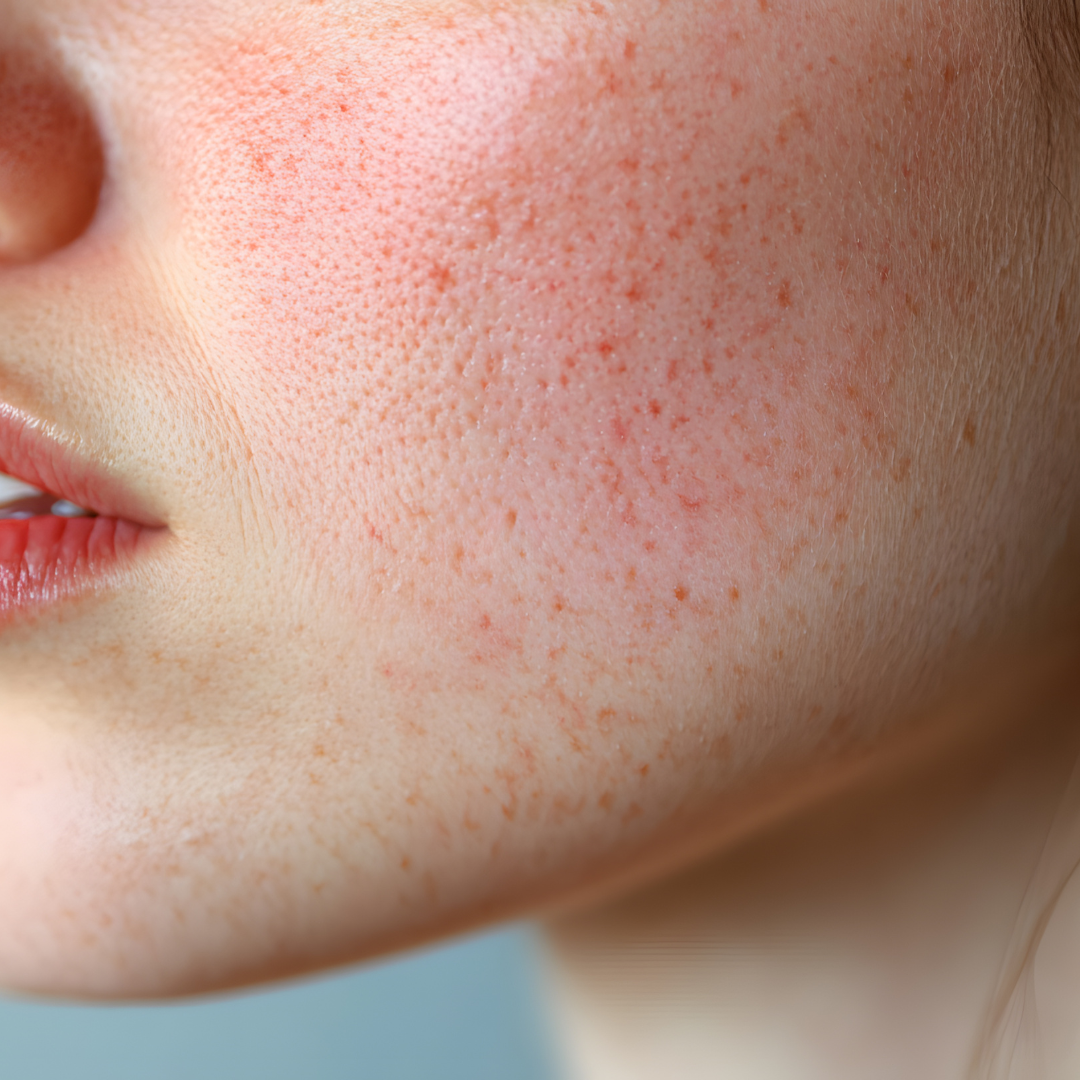
Understanding the Link Between Spring Allergies and Skin Reactions
As spring arrives, vibrant blooms and warmer weather bring a sense of renewal, yet they also introduce a surge of allergens into the environment. For many, this seasonal shift triggers not only sneezing and watery eyes but also a range of skin reactions. The connection between spring allergies and skin health is often overlooked, but understanding it is crucial for effective protection.
Spring allergies are primarily caused by airborne pollen released from trees, grasses, and flowers. When these particles come into contact with the skin, they can provoke an immune response, particularly in individuals with sensitive or allergy-prone skin. The body’s defense mechanisms perceive these harmless substances as threats, prompting the release of histamines. This results in inflammation, itching, redness, and sometimes even hives or eczema flare-ups.
Common Skin Reactions Triggered by Allergens
- Contact Dermatitis: Direct exposure to pollen or outdoor irritants can lead to red, itchy patches and swelling.
- Atopic Eczema: Those already susceptible to eczema may experience intensified symptoms during peak allergy season.
- Urticaria (Hives): Raised, itchy welts may develop as a reaction to allergen exposure.
Recognizing these links empowers individuals to take proactive steps in managing both allergy symptoms and skin health. By understanding how spring allergens interact with the skin, it becomes possible to minimize their impact and enjoy the season with greater comfort.
Common Skin Symptoms Triggered by Seasonal Allergies
As spring approaches, the air fills with pollen, mold spores, and other allergens that can wreak havoc on sensitive skin. For many, this seasonal shift brings more than just sneezing and watery eyes—it can also manifest as a range of skin symptoms that disrupt daily comfort and confidence. Understanding these common skin reactions is the first step in managing and preventing them effectively.
Typical Skin Reactions to Allergens
- Itchy Skin: One of the earliest indicators of an allergic response is persistent itching, often accompanied by a tingling or burning sensation. This discomfort can affect any part of the body, but is particularly common on exposed areas such as the face, neck, and arms.
- Redness and Rashes: Many individuals experience localized redness or the appearance of rashes—flat or raised patches that signal inflammation. These can emerge suddenly after contact with allergens and may worsen with scratching.
- Hives (Urticaria): Hives are raised, swollen welts that develop on the skin, frequently causing intense itching. They can be small or large, appearing in clusters or as isolated spots, and often change shape within hours.
- Dryness and Flaking: Allergic reactions may also strip the skin of moisture, leading to dryness, scaling, or even cracking. This can make the skin more vulnerable to further irritation and infection.
- Swelling: In some cases, exposure to allergens results in puffiness, particularly around the eyes and lips. Swelling can be mild or severe, occasionally accompanied by tenderness or warmth.
Recognizing these symptoms early allows for prompt intervention and reduces the risk of chronic discomfort. By staying alert to these common signs, you can take proactive steps to protect your skin throughout the spring season.
Identifying Personal Allergy Triggers for Better Skin Protection
Understanding your unique allergy triggers is the first and most crucial step in safeguarding your skin during the unpredictable spring months. As the environment transforms and pollen counts soar, individuals become increasingly susceptible to allergic reactions that can manifest as rashes, redness, or persistent itching. Recognizing what specifically causes your skin to react allows you to take deliberate actions to minimize exposure and irritation.
Common Spring Allergy Triggers
- Pollen: Trees, grasses, and flowers release tiny particles that can settle on your skin, leading to inflammation or hives.
- Mold Spores: Increased humidity and rainfall foster mold growth, which can provoke allergic skin responses in sensitive individuals.
- Pet Dander: As pets shed more due to seasonal changes, dander can become airborne and irritate already sensitive skin.
- Outdoor Pollutants: Dust, pollutants, and airborne irritants are more prevalent in spring, compounding allergic reactions.
How to Pinpoint Your Triggers
To identify your specific triggers, start by observing when your skin symptoms flare up. Keep a daily journal noting environmental conditions, activities, and foods consumed. Consulting with an allergist can provide further clarity through targeted allergy testing. These tests can reveal hidden sensitivities, empowering you to make informed decisions about your skincare routine and lifestyle adjustments.
Once you have a clear understanding of your triggers, you can tailor your defense strategies, ultimately reducing allergic flare-ups and maintaining healthier, more resilient skin throughout the spring season.
Dermatologist-Recommended Strategies to Prevent Flare-Ups
Springtime brings a burst of color and vitality, but it also ushers in a wave of allergens that can trigger skin flare-ups in even the most resilient complexions. Dermatologists emphasize the importance of adopting proactive measures to shield your skin against common seasonal triggers. Understanding how to prevent allergy-induced irritation is essential for maintaining a clear, comfortable complexion throughout the season.
Choose Gentle, Fragrance-Free Products
To minimize the risk of allergic reactions, opt for skincare products that are labeled as hypoallergenic and fragrance-free. Many scented lotions and cleansers contain harsh chemicals that can exacerbate sensitive skin, especially when pollen counts are high. Dermatologists recommend reading ingredient labels carefully and performing a patch test before introducing new products into your routine.
Establish a Consistent Cleansing Routine
Allergens such as pollen, dust, and mold spores can settle on exposed skin throughout the day. Cleansing your face and hands regularly with a mild, non-soap cleanser removes these irritants and reduces the likelihood of flare-ups. Avoid over-washing, as stripping natural oils can weaken your skin’s protective barrier and leave it more vulnerable to allergens.
Moisturize to Strengthen the Skin Barrier
Dermatologists stress the importance of daily moisturizing using products enriched with ceramides or hyaluronic acid. A well-hydrated skin barrier acts as a robust defense against environmental triggers, locking in moisture and keeping irritants at bay. Apply moisturizer immediately after bathing for optimal absorption.
By following these dermatologist-recommended strategies, you can significantly reduce the risk of springtime skin allergies and enjoy the season with confidence and comfort.
Choosing the Right Skincare Products for Sensitive Skin During Allergy Season
As the vibrant blooms of spring awaken, so too do a host of allergens that can leave sensitive skin feeling irritated and vulnerable. Navigating the world of skincare products during allergy season requires a thoughtful approach, especially for those prone to reactions. Selecting the right products is the first line of defense in maintaining a healthy, radiant complexion amidst environmental triggers.
Understand Your Skin’s Unique Needs
Not all sensitive skin is created equal. Begin by identifying your specific sensitivities—whether it’s fragrances, harsh chemicals, or certain botanical extracts. Opt for products labeled as “hypoallergenic,” “fragrance-free,” and “dermatologist-tested.” These formulations are designed to minimize the risk of irritation, providing a gentler touch for delicate skin.
Key Ingredients to Seek—and Avoid
- Seek: Look for soothing ingredients such as aloe vera, chamomile, and calendula. These natural botanicals help calm inflammation and support the skin’s barrier function during allergy season.
- Avoid: Steer clear of products containing alcohol, sulfates, and artificial dyes, as these can exacerbate dryness and trigger allergic responses.
Patch Testing for Peace of Mind
Before introducing a new product into your routine, always conduct a patch test. Apply a small amount to a discreet area, such as the inner forearm, and monitor for 24 hours. This simple step can prevent an adverse reaction from spreading across your face or body.
By being intentional with your skincare choices and prioritizing gentle, protective formulas, you can confidently enjoy the beauty of spring while keeping seasonal allergies at bay. This thoughtful selection lays the foundation for effective skin protection throughout the coming months.