
Understanding National Cancer Prevention Month and Its Significance
Every February, National Cancer Prevention Month serves as a crucial reminder of the ongoing battle against cancer and the vital importance of proactive health measures. This annual observance is not just a calendar marker—it’s a nationwide initiative designed to raise awareness, promote education, and empower individuals to take charge of their health. By spotlighting preventable cancers and the risk factors associated with them, National Cancer Prevention Month unites communities, healthcare providers, and advocacy groups in a shared mission: to reduce the incidence of cancer through informed action.
At its core, the significance of National Cancer Prevention Month lies in its power to transform knowledge into life-saving habits. The campaign emphasizes the role of early detection and healthy lifestyle choices in minimizing cancer risk. From skin cancer to colorectal, breast, and lung cancers, the message is clear—many cancers can be prevented or detected early through regular screenings and mindful self-care.
Key Objectives of National Cancer Prevention Month
- Educate the public about common risk factors, such as tobacco use, excessive sun exposure, and poor nutrition.
- Encourage routine screenings and self-examinations, including regular skin checks, to catch abnormalities at their earliest stages.
- Support research and promote access to resources for cancer prevention and early intervention.
As the month unfolds, National Cancer Prevention Month becomes a rallying point—a time to reflect, learn, and commit to small changes that can have a profound impact on long-term health outcomes.
Why Annual Skin Exams Are Crucial for Your Health
When it comes to safeguarding your long-term well-being, annual skin exams play an undeniably vital role. The skin, being the body’s largest organ, is constantly exposed to environmental stressors such as UV radiation, pollutants, and everyday wear and tear. These factors can contribute to the development of skin abnormalities, including moles, lesions, and—most concerning of all—skin cancer. By prioritizing regular skin checks, you empower yourself to detect issues at their earliest, most treatable stages.
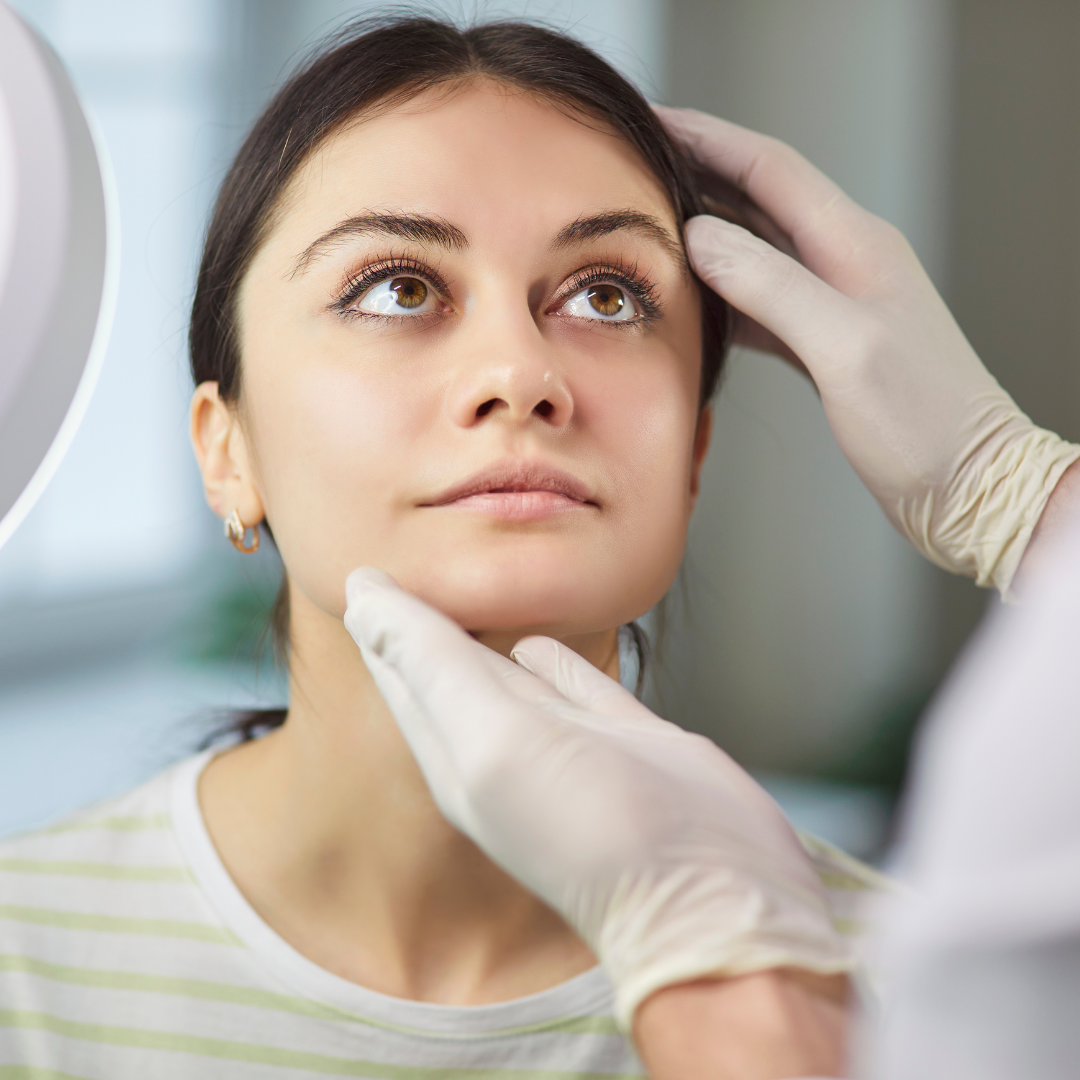
Skin cancer remains one of the most common types of cancer in the United States, yet it is also one of the most preventable and curable when identified early. Annual skin exams, performed by a qualified dermatologist, involve a thorough evaluation from head to toe. This comprehensive approach ensures that even hard-to-see areas, such as the scalp, back, or soles of the feet, are carefully assessed for unusual changes. Early detection can make a profound difference in treatment outcomes, often allowing for simple interventions and a higher chance of complete recovery.
- Early Detection: Identifying abnormal moles or lesions before they become malignant greatly improves prognosis.
- Risk Assessment: Routine exams help assess personal risk factors, including family history or previous sunburns.
- Peace of Mind: Annual exams offer reassurance, reducing anxiety about unnoticed skin changes.
By making skin checks a yearly habit, you take an active step toward cancer prevention and overall health, reinforcing the importance of vigilant self-care throughout National Cancer Prevention Month and beyond.
Recognizing Early Warning Signs of Skin Cancer
Understanding the early warning signs of skin cancer is crucial for timely intervention and effective treatment. Skin cancer, including melanoma, basal cell carcinoma, and squamous cell carcinoma, can manifest in subtle ways that are often overlooked. By familiarizing yourself with these indicators, you can take proactive steps to protect your health during National Cancer Prevention Month and beyond.
Key Changes to Watch For
- New Growths: Pay attention to any new spots or bumps on your skin, especially those that appear suddenly or change rapidly in size.
- Changes in Existing Moles: A mole that alters its shape, color, or texture may signal the onset of skin cancer. Look for asymmetry, irregular borders, variations in color, or an increase in diameter.
- Non-Healing Sores: Persistent sores that bleed, ooze, or do not heal within a few weeks warrant immediate attention.
- Itching or Tenderness: Unexplained sensation such as itching, tenderness, or pain in a specific spot can also be a warning sign.
The Importance of Self-Examination
Regular self-examinations allow you to spot suspicious changes early. Use a mirror to check hard-to-see areas and document any changes with photos for future comparison. Early detection significantly increases the likelihood of successful treatment, underscoring why regular skin checks are vital for cancer prevention.
Being vigilant about your skin’s health not only empowers you but also supports the broader goals of National Cancer Prevention Month. Remaining aware of these early warning signs creates a foundation for timely medical consultation and intervention.
How to Prepare for a Full Skin Exam
Preparing for a full skin exam is a proactive step in safeguarding your health, especially during National Cancer Prevention Month. A thorough skin examination enables early detection of suspicious lesions, moles, or other changes that could indicate skin cancer. To make the most of your appointment, proper preparation is essential.
Gather Your Medical History
Begin by collecting details about your personal and family history of skin cancer or atypical moles. Bring a list of current medications, as some may increase sensitivity to sunlight or impact your skin’s appearance. If you have noticed any recent changes to your skin—such as new moles, growths, or areas that itch, bleed, or won’t heal—jot them down to discuss with your dermatologist.
Wear Appropriate Clothing
Opt for loose, comfortable clothing that’s easy to remove and put back on. A full skin exam requires access to all areas of the body, including your scalp, back, and between the toes. Avoid wearing makeup, nail polish, or jewelry, as these can obscure subtle changes or lesions. Freshly washed skin, free from lotions or creams, allows for a more accurate assessment.
Self-Examination Before Your Visit
Take time to perform a self-exam at home. Use a mirror and good lighting to carefully inspect your skin from head to toe. Note any new or changing spots, and bring these concerns to your provider’s attention.
With thoughtful preparation, a full skin exam can be a swift, comprehensive process—empowering you with knowledge and peace of mind as you prioritize your health.
Taking Action to Protect Your Skin and Promote Early Detection
February, recognized as National Cancer Prevention Month, serves as an essential reminder to prioritize our skin health and take proactive steps toward early detection of skin cancer. With skin cancer being the most common form of cancer in the United States, regular skin checks are not merely a precaution—they are a vital part of self-care and wellness. The simple act of examining your skin can lead to the early discovery of suspicious moles or changes, dramatically increasing the chances of successful treatment.
Why Regular Skin Checks Matter
Early detection is the cornerstone of effective cancer prevention. When skin cancers such as melanoma are identified in their initial stages, treatment outcomes improve significantly, and the risks associated with more advanced disease are minimized. By making skin checks a routine part of your health regimen, you empower yourself to spot changes before they become serious.
How to Take Action
- Schedule annual skin exams with a dermatologist, especially if you have a family history of skin cancer or possess risk factors such as fair skin, excessive sun exposure, or a history of sunburns.
- Perform monthly self-exams in a well-lit room, using mirrors to inspect hard-to-see areas. Look for new moles, growths, or any changes in existing spots.
- Document your findings with photos or notes to track changes over time, making it easier to share concerns with your healthcare provider.
By adopting these simple yet crucial habits, you take command of your skin health, fostering early detection and prevention. As National Cancer Prevention Month spotlights awareness, let this February be the time you start protecting your skin for a healthier tomorrow.